Winter 2025-2026 Pest Control Tips
Understanding Insect Behavior in Winter: What’s Really Happening?
Winter doesn’t eliminate pests, it changes their habits.
Knowing how insects behave during colder months can help you plan your defense.
Hibernation & Overwintering
- Many insects, like ground beetles and boxelder bugs, enter a state of dormancy known as overwintering. They often find their way into walls, attics, and basements to stay warm.
Seeking Warmth Indoors
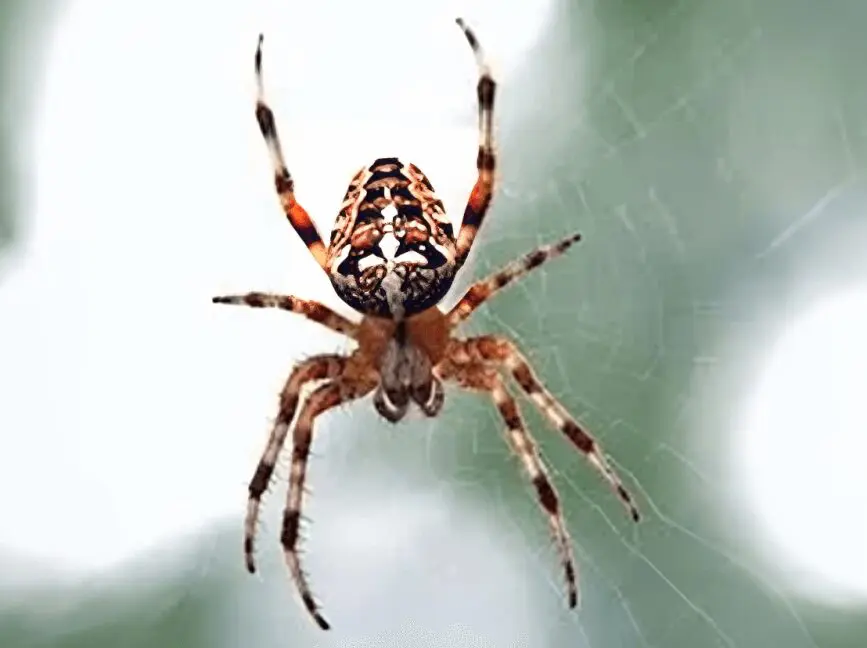
- Spiders, cockroaches, and rodents actively seek warm spaces indoors during winter. Your home’s heating system makes it an ideal target.
Egg Survival
- Some pests, like fleas and certain ants, lay eggs that remain dormant during winter. These eggs hatch as soon as conditions improve, creating an explosion of activity in spring.
By understanding these behaviors, you can better anticipate pest problems and take preemptive measures to protect your home year-round.
As temperatures drop, pests adapt-and so should your prevention strategy. While winter may bring a temporary slowdown in pest activity outdoors, it’s also the time when many pests seek refuge inside your home. Here’s what you need to know to keep them out:
1. Seal Entry Points
- Inspect your home for cracks, gaps, or holes around doors, windows, and foundations.
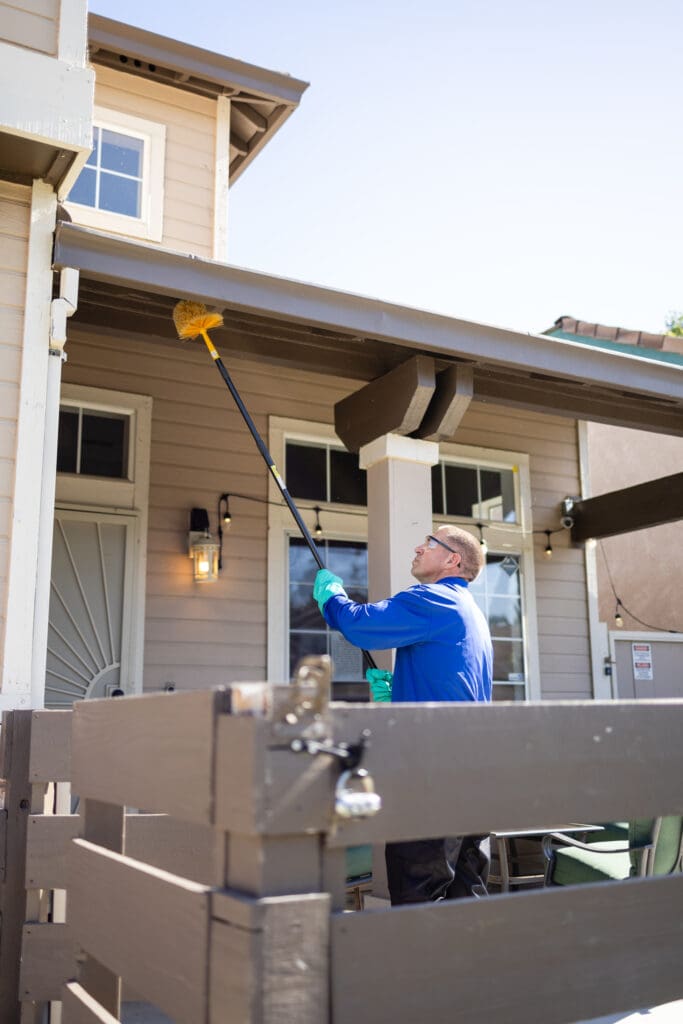
- Use caulk, weather stripping, or steel wool to seal openings, especially around pipes and vents.
2. Declutter and Clean
- Pests are drawn to warmth and food. Keep clutter to a minimum and regularly clean your home to eliminate hiding spots.
- Store food in airtight containers, and don’t leave crumbs or spills unattended.
3. Maintain Your Yard
- Trim tree branches and bushes away from your home to reduce pathways for pests.
- Keep firewood at least 20 feet from your house and off the ground to deter pests like termites and rodents.
4. Moisture Control
- Inspect your home for leaks or condensation, particularly in basements, attics, and crawl spaces.
- Use dehumidifiers in damp areas and repair any plumbing issues promptly.
By addressing these common pest entry points and conditions, you can create an environment that pests won’t want to invade.
Signs You Have a Rodent Problem in Your East Bay Home
Rodent problems almost never start with a full-blown infestation. They start quiet. One sound. One dropping. One small sign most people brush off. By the time it’s obvious, the damage is already done.
If you live in Antioch or anywhere in the East Bay, rats and mice are common, especially as weather changes. Here are the early warning signs homeowners usually miss.
Scratching or Movement Noises at Night
If you hear scratching, scurrying, or light thumping sounds late at night, especially in the attic, walls, or ceiling, that’s one of the biggest red flags.
Rodents are nocturnal. When the house gets quiet, they get active.
Common places people hear them:
- Attics
- Inside walls
- Above ceiling drywall
- Garages
Many homeowners assume it’s the house settling or tree branches. If the noise repeats night after night, it’s not the house.
Droppings in Garages, Kitchens, or Storage Areas
Rodent droppings are often the first physical sign people notice. They’re small, dark, and pellet-shaped.
Common places droppings show up:
- Along garage walls
- Behind appliances
- Inside cabinets
- Near pet food or pantry items
Finding droppings usually means rodents are already traveling that area regularly. This isn’t a one-time visitor.
Grease or Rub Marks Along Walls
Rats and mice don’t have great eyesight. They navigate by rubbing their bodies along walls, pipes, and baseboards.
Over time, this leaves dark grease marks or smudges along:
- Garage walls
- Baseboards
- Attic entry points
- Along fences or exterior walls
These marks are basically rodent highways. If you see them, the rodents have been there repeatedly.
Chewed Wires, Wood, or Insulation
Rodents chew constantly. Their teeth never stop growing.
Some of the most common damage we see in East Bay homes:
- Electrical wiring chewed inside walls or attics
- Insulation shredded for nesting
- Wood framing gnawed
- Plastic storage bins chewed through
Chewed wiring is especially dangerous. It’s a major fire risk and one of the most expensive hidden damages rodents cause.
Why One Rat Usually Means More
This is the part most people underestimate.
If you see one rat or mouse, there are usually more you don’t see. Rodents don’t travel alone, and they don’t enter homes unless there’s a reason.
One rodent usually means:
- There’s an active entry point
- There’s a food or water source
- There’s shelter inside your home
Rats reproduce quickly. What starts as one can turn into several within weeks.
Why Trapping Alone Doesn’t Fix the Problem
Traps can catch rodents, but they don’t solve the problem by themselves.
Here’s why:
- Traps don’t seal entry points
- New rodents follow the same access paths
- Trapping without exclusion becomes an endless cycle
We see it all the time. Homeowners catch a few rodents, think the problem is gone, then weeks later it starts again. The entry point was never fixed.
Real rodent control requires:
- Identifying how they’re getting in
- Sealing and excluding those access points
- Trapping existing rodents
- Cleaning and sanitizing affected areas
If you’re hearing noises, finding droppings, or seeing damage, it’s best to address it early. Rodent problems only get more expensive the longer they’re ignored.
If you’re in East Contra Costa, San Leandro or the surrounding East Bay area and think you might have a rodent issue, getting a professional inspection can save you a lot of stress and repair costs down the road.
Stay in the Loop
Stay connected with Liberty Pest Services on social media! Follow us for expert tips, handy tricks, and all the latest updates in pest control and beyond. Don’t miss out-join our community today!